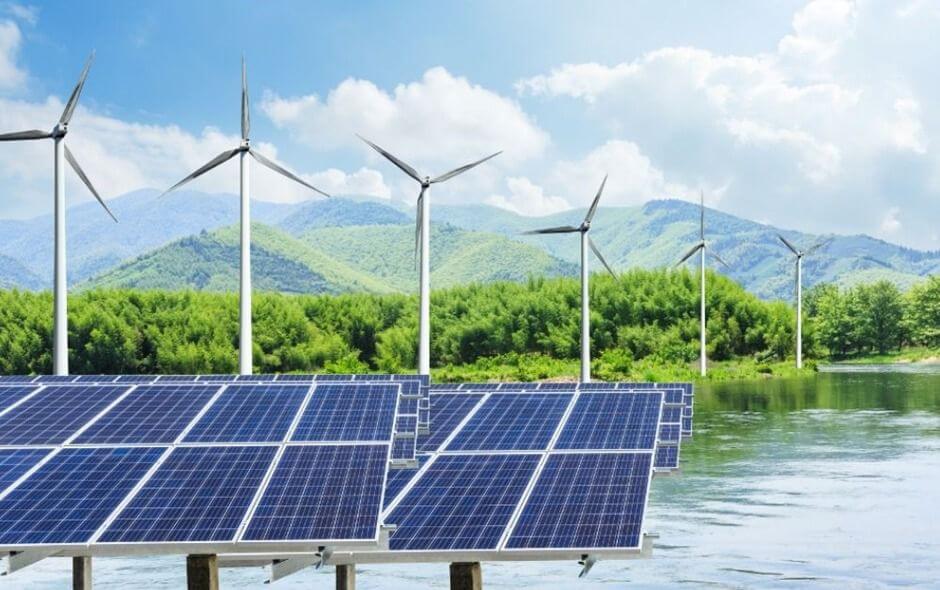
Innovation is shaping the future of how we generate, store, and use power. With global demand for energy continuing to rise, the focus is no longer just on producing more, but on doing so in ways that protect the environment. Renewable sources like wind, solar, hydro, and biogas are central to this transformation. They represent a shift from fossil fuels towards energy systems that can sustain both human needs and the planet’s ecosystems.
But sustainable power is not only about adopting renewable technologies; it is also about refining them. Every step of the energy chain, from production to consumption, requires smarter solutions to minimise waste and maximise efficiency.
Biogas: Turning Waste into Energy
Biogas is a strong example of how innovation can transform challenges into opportunities. Produced from organic matter such as agricultural waste, food waste, or sewage, biogas offers a circular solution that recycles what would otherwise become landfill emissions. It can be used to generate heat, electricity, or even upgraded into biomethane to power vehicles and feed into gas grids.
However, raw biogas contains a high proportion of carbon dioxide (CO₂), which reduces its calorific value and limits its use. To unlock the full energy potential of biogas, CO₂ must be separated effectively and sustainably. This is where advanced carbon capture technologies come into play.
Solvents Driving Smarter CO₂ Capture
Traditional methods of capturing CO₂ from gas streams often face challenges around efficiency, cost, and environmental impact. Innovative solvent technologies are changing that landscape. With the right chemical formulations, CO₂ capture becomes faster, more selective, and less energy-intensive.
For companies looking to make the most of their renewable energy investments, solvents help your biogas plant by enabling higher yields of biomethane while lowering operating costs. These advanced solvents not only strip CO₂ more effectively but also reduce the energy needed for regeneration, creating a more sustainable process overall.
Innovation at the Core of Sustainable Power
The role of innovation in sustainable power is not just about inventing new systems but about re-engineering existing ones to perform better. In the case of biogas, it is about maximising energy output while minimising carbon impact. By improving the capture of CO₂ with high-efficiency solvents, operators can ensure their plants are not just producing renewable energy but doing so in the cleanest way possible.
This dual benefit, energy production coupled with emissions reduction, is key to meeting global climate goals. Innovations like these demonstrate that renewable power can be both practical and scalable, encouraging wider adoption across industries.
A Wider Picture: Integrating Clean Technologies
The breakthroughs happening in biogas are part of a bigger movement across the sustainable energy sector. From hydrogen to carbon capture and storage (CCS), innovation is driving integration. By combining different technologies, we can create energy ecosystems that are flexible, resilient, and aligned with net-zero targets.
For example, pairing renewable energy generation with efficient CO₂ capture means facilities are not just producing clean energy but also preventing greenhouse gases from re-entering the atmosphere. This creates a more holistic solution that extends beyond single-source technologies.
Looking Ahead
The path to sustainable power depends on continuous innovation. Each advance, whether in solvent chemistry, renewable infrastructure, or digital optimisation, pushes the world closer to a future where clean energy is the norm, not the exception.
Biogas offers a powerful reminder of what is possible when innovation meets necessity. Through the use of advanced solvents, plants can achieve higher efficiency and greater environmental responsibility, reinforcing their role in the renewable mix. As global energy needs evolve, solutions like these will be critical in ensuring the transition to a sustainable, low-carbon future.
