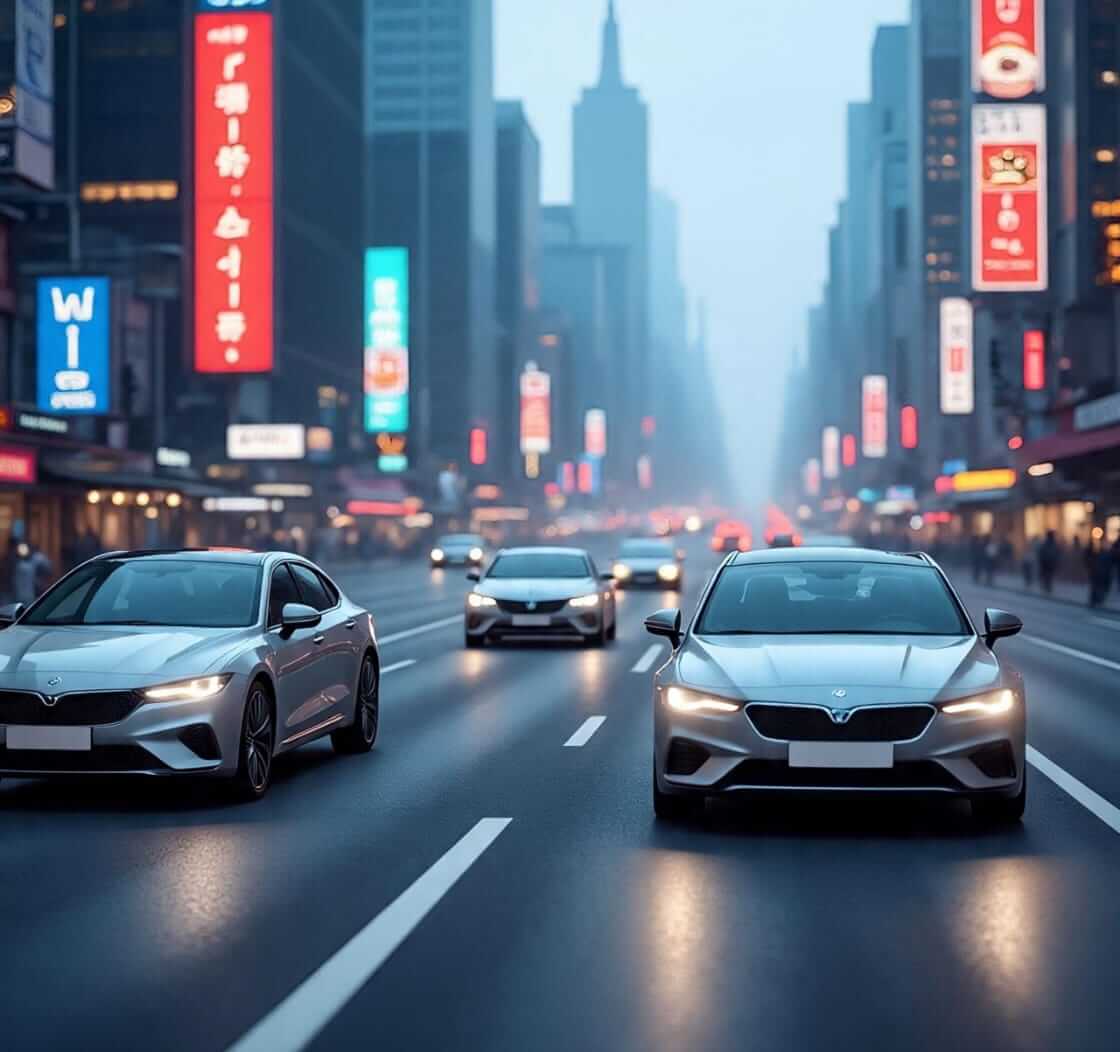
In 2025, self-driving cars have shifted from futuristic prototypes to real-world solutions transforming how we live, work, and travel. Powered by advanced artificial intelligence, high-precision sensors, and real-time data processing, autonomous vehicles (AVs) are now operating safely in many cities around the world.
Header / Hero Section
Title: Self-Driving Cars in 2025
Subtitle: The Age of Autonomous Mobility Has Arrived
Overview: Welcome to the future of transportation. In 2025, self-driving cars are no longer experimental—they’re a practical reality transforming urban mobility, logistics, and everyday life. With the rise of AI, sensors, and smart infrastructure, autonomous vehicles (AVs) are hitting the roads globally, and society is accelerating into a driverless era.
Key Features of 2025 Autonomous Vehicles
Heading: What Makes 2025’s Self-Driving Cars Different?
Content:
Vehicle-to-Everything (V2X) Communication: Cars talk to traffic lights, smart roads, and each other to optimize routes.
Level 4 Autonomy: Vehicles operate without human input in most conditions, especially in urban zones.
Electric by Default: Most AVs in 2025 are electric, reducing carbon emissions and maintenance costs.
AI Decision-Making: Machine learning enables real-time traffic analysis, obstacle avoidance, and passenger safety.
Impact on Society
Heading: How Are Self-Driving Cars Changing Our World?
Content:
Economic Shifts: New jobs in AI, cybersecurity, and AV support; disruption in traditional driving careers.
Safety Improvements: Reduced accidents due to elimination of human error.
Greater Accessibility: Independence for elderly, disabled, and non-drivers.
Urban Transformation: Fewer parking lots, more green spaces, and redesigned streets.
Real-World Examples
Heading: Where Are Self-Driving Cars Active in 2025?
Content:
- United States: Robo-taxi fleets are operating in cities like San Francisco, Austin, and Miami.
- Europe: Pilot programs in Germany, the Netherlands, and the UK integrate AVs into public transport.
Asia: China leads in autonomous logistics, with driverless delivery trucks and last-mile robots
What’s Next for Autonomous Vehicles?
Heading: Looking Ahead Beyond 2025
Content:
By 2030, we expect:
A shift from ownership to Mobility-as-a-Service (MaaS)
Full Level 5 autonomy in most global markets
Autonomous freight corridors for shipping
AI copilots in personal vehicles
Autonomous drone integration for urban air mobility
Closing / Call to Action
Heading: Ready for the Ride Ahead?
Content:
The autonomous revolution is here. Whether you’re a commuter, a policymaker, or a business owner, understanding self-driving technology is essential to staying ahead in the changing world of mobility.
Stay informed. Stay mobile. The road ahead is driverless
Conclusion
The intersection of technology and vehicle mobility is ushering in a new era of transportation. With electric vehicles, autonomous driving, smart traffic management, and artificial intelligence leading the charge, the future of mobility is poised to be faster, safer, and more sustainable. As these technologies continue to evolve and integrate into everyday life, they will not only change the way we drive but also how we experience and interact with transportation systems. The road ahead is full of exciting possibilities, and the journey toward a smarter, more connected world of mobility has only just begun.
