The spare room used to be somewhere for storing boxes, ironing, or accommodating the occasional guest. Today, it can just as easily become a photography space, craft workshop, design studio, or the headquarters of a growing small business.
Digital tools and increasingly accessible equipment have made it possible to produce surprisingly professional work without renting a commercial studio. For creative people, including those experimenting with a new business idea, the home workspace is becoming considerably more capable.
From Laptop to Production Space
A laptop remains the centre of many creative setups. Affordable design software allows users to produce logos, illustrations, labels, invitations and product concepts without specialist premises. The bigger change is what can happen after the design is finished.
Desktop printers, cutting equipment, heat presses and other production tools mean creators can move beyond designing on a screen and start making physical products themselves. This can be particularly useful for anyone creating customised merchandise, decorations, or branded materials.
Precision Cutting Opens New Possibilities
One piece of equipment that can significantly expand a creative workspace is a vinyl cutter. These machines can precisely cut designs from materials including vinyl, paper and, depending on the equipment, cardboard. Applications can range from stickers and labels to signs, wall decorations and packaging.
For someone running a small creative business, bringing this type of production in-house can provide greater control over experimentation. Instead of ordering a large batch from an external supplier, it becomes possible to develop prototypes, test different designs, and produce smaller quantities. That flexibility can be particularly valuable when selling personalised products, where customers may want different names, colours or designs.
Photography Is Becoming More Accessible
Product photography is another area where a modest home setup can produce impressive results. A good smartphone or digital camera, tripod, and simple lighting arrangement can transform a corner of a room into a useful photography area. Neutral backgrounds and consistent lighting can make handmade products look considerably more professional when displayed online.
This matters because customers frequently encounter a small business through its photographs before anything else. Clear imagescan communicate texture, scale, and quality in ways that descriptions cannot.
Organisation Matters as Much as Equipment
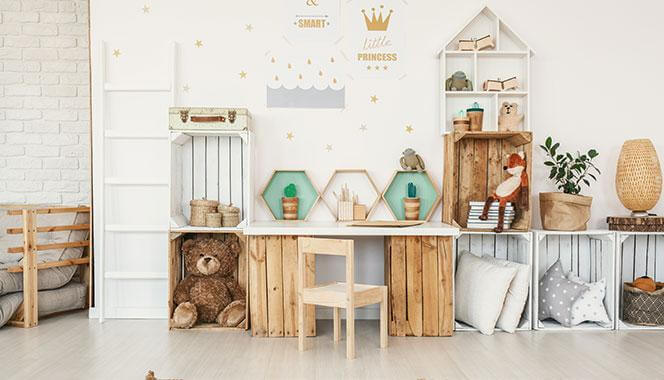
A creative studio does not need to be large, but it does need to be organised. Vertical shelving can maximise limited floor space, while labelled storage containers make materials easier to find.
A sturdy desk can double as a design and packaging station, and movable storage allows the room to be rearranged depending on the project. Cable management and adequate lighting are also worth considering, particularly when several pieces of electrical equipment share a relatively compact workspace.
Start Small and Build Gradually
It is easy to assume that a creative studio requires an expensive collection of equipment from the beginning. In reality, the most useful setup is one built around the work being produced. Someone selling digital illustrations may need little more than a computer and drawing tablet. A personalised gift business might benefit from cutting and printing equipment, while a photographer may prioritise lighting.
The important shift is that creative production is no longer restricted to traditional studios and workshops. With carefully chosen tools and an organised workspace, even an overlooked spare room can become somewhere ideas move from screen to finished product.
